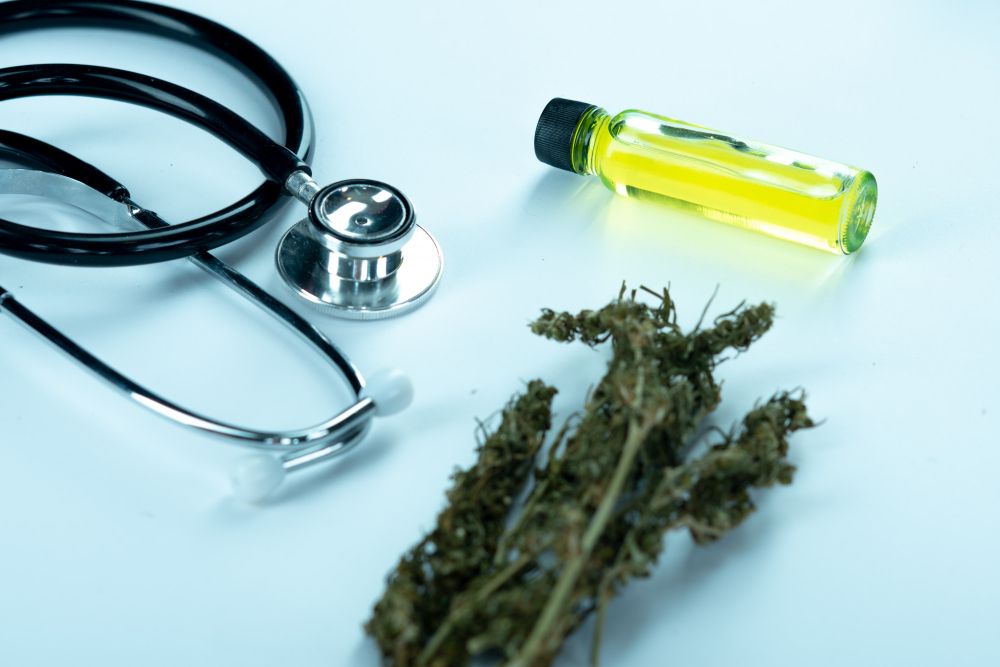
How to Use Medical Cannabis: Vaping, Oils and Other Options

Medical cannabis can be administered in several ways. The appropriate
method depends on the prescribed product, the condition being treated,
the desired onset and duration of effects, and individual patient needs.
Vaporization, oral preparations and sublingual products differ in how
cannabinoids enter the body. Understanding these differences helps
patients follow their treatment plan and assess their response.
Vaporizing Medical Cannabis Flower
Vaporization involves heating cannabis flower to release cannabinoids
and other compounds without burning the plant material. The resulting
aerosol is inhaled using a suitable vaporizer.
Unlike smoking, vaporization avoids combustion and can reduce exposure
to combustion-related substances. However, inhalation is not risk-free,
and the amount absorbed depends on the device, temperature and
inhalation technique.
Features of Cannabis Vaporization
- A relatively rapid onset of effects compared with oral administration.
- No combustion when the device is used correctly.
- Temperature control on compatible devices.
- Usually less lingering odour than smoking.
A rapid onset can help patients assess their response before taking
more, according to their prescribed instructions. It does not mean
that each inhalation delivers an exact or identical dose.
Oral Cannabis Preparations
Oral preparations may include prescribed oils, capsules or other
formulations containing cannabis extracts. Their composition and
concentration vary, so products should be used according to their
specific instructions.
When swallowed, cannabinoids pass through the digestive system.
Effects generally begin more slowly and last longer than with
inhalation. The timing and intensity can vary between patients
and between occasions.
Features of Oral Preparations
- A slower onset and generally longer duration of effects.
- No need for inhalation equipment.
- A measured dose when a suitably standardized product is used.
Delayed effects can make it difficult to judge the response immediately.
Taking an additional dose too soon may lead to stronger effects than
intended. Follow the prescribed dosing schedule rather than relying
on how you feel shortly after administration.
Sublingual and Oromucosal Preparations
Some products are designed for use under the tongue or elsewhere
in the mouth. These formulations allow some cannabinoids to be
absorbed through the oral mucosa.
Absorption depends on the formulation and how it is administered.
Some of the dose may also be swallowed, contributing to delayed
effects. An oil intended for swallowing should not automatically
be treated as equivalent to a product designed for sublingual use.
These preparations can provide an alternative for patients who
prefer to avoid inhalation. Use the measuring device and
administration instructions supplied with the prescribed product.
Topical Cannabis Products
Cannabis-derived ingredients are also found in creams, balms,
ointments and skin oils. These products differ in composition,
intended use and regulatory status. A cosmetic containing hemp
ingredients is not equivalent to a prescribed cannabis medicine.
Conventional topical products are intended primarily for local use.
Claims about symptom relief require evidence for the specific
formulation and condition.
Topical and transdermal products should also be distinguished.
Transdermal formulations are designed to deliver active ingredients
through the skin into the bloodstream. Their effects and precautions
may therefore differ from those of ordinary skin-care products.
How Is the Appropriate Method Selected?
No single method is suitable for every patient. A clinician considers
the condition being treated, the required duration of effects,
other medicines, relevant health conditions and previous responses
to cannabinoids.
Practical factors also matter, including the ability to operate
a vaporizer, measure a liquid dose or follow a dosing schedule.
Product availability and prescribing requirements depend on
the country where treatment is provided.
Using Medical Cannabis as Prescribed
Follow the instructions for your prescribed preparation. Changing
the administration route can change absorption, onset and intensity,
even when the stated cannabinoid content appears similar.
Follow-up appointments help assess symptom relief, adverse effects
and whether the treatment remains appropriate. Recording the product,
dose, administration time and response can make these reviews
more useful.